Prerequisites, counted from the listings
What a listing assumes you already own
A smart plug is a plug plus a network, a phone and an assistant, and one listing here names a single assistant and rules out the rest. None of it is hidden. All of it is printed, just not on the front of the box. This site collects the six things this catalog assumes you already own, and counts which listings assume what.
Six requirements · 52 listings · 2026
- 2.4 GHz network5 listings
- Assistant10 listings
- Phone and app7 listings
- Water5 listings
- Door6 listings
- Part15 listings
Categories down, requirements across
The Assumption Table
Each cell counts the listings in a category that state a requirement, out of the 52 in the catalog. A category name opens its listings; a requirement name opens the page on what that requirement is and who assumes it.
| Category | A 2.4 GHz network | An assistant you already use | A phone and an app | Somewhere for the water | A door that takes it | A part you will buy again |
|---|---|---|---|---|---|---|
| LED Bulbs8 | 1 | 1 | 1 | none | none | 1 |
| Tower & Personal Fans8 | none | none | none | none | none | none |
| Air Purifiers12 | none | none | 1 | none | none | 10 |
| Smart Plugs & Remote Outlets10 | 4 | 6 | 2 | none | none | none |
| Dehumidifiers8 | none | 2 | none | 5 | none | 2 |
| Keypad & Smart Locks6 | none | 1 | 3 | none | 6 | 2 |
| All listings | 5 | 10 | 7 | 5 | 6 | 15 |
A machine that is not a purifier
The ozone generator in this catalog
There is an ozone machine in this catalog. Its listing states an ozone generator, and the catalog filed it among the air purifiers. This site does not call it an air purifier and does not compare it with the filter units. It says nothing about ozone in its own words; the regulator documents are linked here and again beside the listing.
Its group on the purifiers page: An ozone generator
Published by regulators
Six things this catalog assumes
A 2.4 GHz network
No band, no answer: the listings that print one do not say what happens on any other.
5 listings state it
An assistant you already use
A different assistant, or none at all, is a case these listings leave unaddressed.
10 listings state it
A phone and an app
Which functions remain without the app is something no listing here prints.
7 listings state it
Somewhere for the water
Without a place for the water the listings go quiet, and the manual takes over.
5 listings state it
A door that takes it
A door not already prepared for the lock is where every lock listing stops talking.
6 listings state it
A part you will buy again
When the part runs out, the listings print no interval, and the site estimates none.
15 listings state it
Tool
Prerequisite Check
Choose listings from different categories and the row adds up what they state between them. Each listing is also counted on its own, so the one that brought a requirement is always named.
LED Bulbs
Smart bulbs
Plain LED bulbs
Dusk to dawn
Tower & Personal Fans
Tower fans
Personal and desk fans
Air Purifiers
Filter air purifiers
An ozone generator
A refrigerator deodorizer
Smart Plugs & Remote Outlets
Smart plugs
Remote-control outlets
Dehumidifiers
Units rated in pints
Units with no pint rating
Renewable filling
Keypad & Smart Locks
Wi-Fi smart locks
Keypad locks with no network named
The row for what you chose
0 of 6 stated
- 2.4 GHz networknot raised
- Assistantnot raised
- Phone and appnot raised
- Waternot raised
- Doornot raised
- Partnot raised
No listing chosen yet, so every cell is outlined.
- This check adds up what listings state. It does not look at your home.
- A requirement missing from a listing means the listing does not print it, not that the thing works without it.
- The site does not advise what to buy.
How the check decides
- Choose up to three listings, no more than one from each category.
- A cell is filled when at least one chosen listing states that requirement.
- A cell is dashed when no chosen listing states it and at least one chosen listing is silent where it could apply.
- A cell is left empty when the requirement does not come up for any chosen listing.
- A second listing from a category already chosen is switched off, with the reason printed under the options.
- Once three listings are chosen, every other listing is switched off until one is removed.
- A listing that would change no cell on the row is marked as adding no cell. It stays selectable, because it still adds its own line to the result.
Five ways a thing is actually operated
Controls7
listings name it
An app
A phone as the remote, through software the listing mentions but never names.
11
listings name it
A voice assistant
Speaking to an assistant that has to be running before the device arrives.
9
listings name it
A remote in the box
A handheld remote in the box, and no network anywhere in the listing.
7
listings name it
A keypad or buttons
Controls on the device itself, from a ten-button keypad to a mechanical switch.
8
listings name it
Nothing to control
Nothing to operate at all, which is a class of thing rather than a missing feature.
Marks printed beside the claims
A mark on a listing is the seller’s claim. Each page names the organization behind the word, links its published pages, and says what the word does not promise.
| The mark | What it is | Who runs it | Listings printing it | Page |
|---|---|---|---|---|
| ETL certification | A certification mark, and a federal authorization for radio devices | Intertek; the FCC | 9 | ETL and FCC |
| Energy Star | An energy efficiency program with published product criteria | U.S. Environmental Protection Agency | 3 | Energy Star |
| AHAM VERIFIDE | A private appliance industry certification program | Association of Home Appliance Manufacturers | 4 | AHAM Verifide |
| HEPA | A filter type EPA describes, and a class name left unexplained | EPA describes it; IEST publishes a practice | 7 | HEPA and H13 |
| ANSI Grade 3 | A grade on a published scale for door hardware | BHMA, within the ANSI system | 2 | ANSI and BHMA grade |
The catalog in figures
- listings in the catalog, every one read for what it assumes
- 52
- listings state none of the six requirements
- 21
- listings stay silent on a requirement that could apply
- 28
- listings were filed in a category their own words place them outside
- 3

Tool
Assistant Check
A name at a time, counted exactly as listings print it. Nothing is read into a brand, and Google Home is never folded into Google Assistant.
A name as listings print it
Choose a name to see which listings print it.
- Compatibility a listing does not state is compatibility this site does not confirm.
- A listing that names an assistant is making a claim; the site repeats it and does not test it.
How names are counted
- A listing counts for a name when that name appears in its title or listing text exactly as spelled on the button, as a word of its own.
- Nothing is inferred from a brand: a listing sold under the Amazon name that does not print Alexa does not count for Alexa.
- Google Home and Google Assistant are counted separately, because listings print them separately.
- Matter is a connection standard rather than an assistant; it is offered because listings print it beside assistant names.
- A listing counts as an only restriction when it prints the name followed directly by the word only.
- Names no assistant counts the listings that print none of the names on the buttons.
What this catalog is
The catalog holds 52 listings in six categories. Every statement about them on this site comes from the listing descriptions, quoted as printed, and nothing here comes from installing or using any of them.
Three listings were filed in a category their own words place them outside: an ozone generator and a refrigerator deodorizer among the air purifiers, and a personal table fan among the tower fans. Each one sits in a group of its own. Separately, one lock filed among the deadbolts is a knob lock, and its card says so.
Dehumidifier capacity is printed in units that do not compare: four listings give pints, two give a tank size in ounces, and two give no capacity at all. Pints and ounces are kept apart on every page that shows them.
Two pairs of outlet kits, from BN-LINK and from Syantek, carry identical listing text and differ only in how many outlets and remotes come in the box. The site says so plainly and invents no other difference.
Six plain answers
- Does this site test anything?
- No. It reads listings, counts what they state and quotes them. Nothing here comes from installing, using or measuring a product.
- What does a dashed cell mean?
- The listing is silent about that requirement in a place where it could have spoken. It is not a verdict that the product lacks it.
- Which listing is plainest about what it needs?
- The Amazon Basics smart bulb, which states that it
works with Alexa only
and names a2.4 GHz Wi-Fi
network. Few listings put a prerequisite so bluntly. - Why is the ozone machine left out of the rail?
- Its own title calls it an ozone generator, and the site does not present it beside the purifiers or feature it anywhere. It is listed once, in its own group, with the published documents beside it.
- Why are pints and ounces never in one column?
- They are different measurements: a pint figure is a rating, an ounce figure on these listings is the size of a tank. How capacity is defined, with the source, is on the water requirement page.
- Will the site say what to buy?
- No. It lays out what listings assume and leaves every choice to the reader, including the choice to buy nothing.
Six listings, a single one from each category
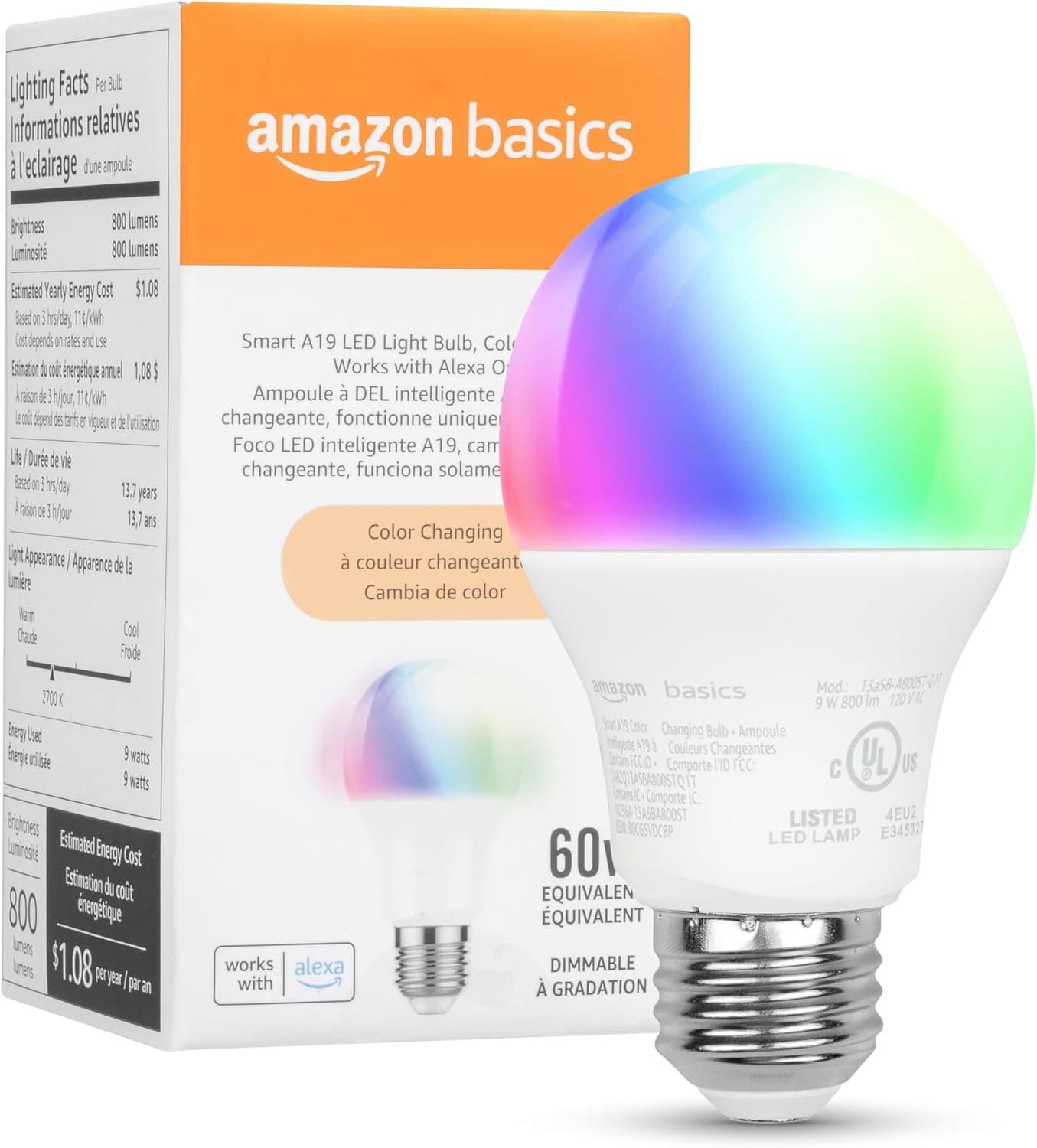
LED Bulbs
Amazon Basics Smart A19 LED Bulb, Color Changing, 9W, 800 LM
On Amazon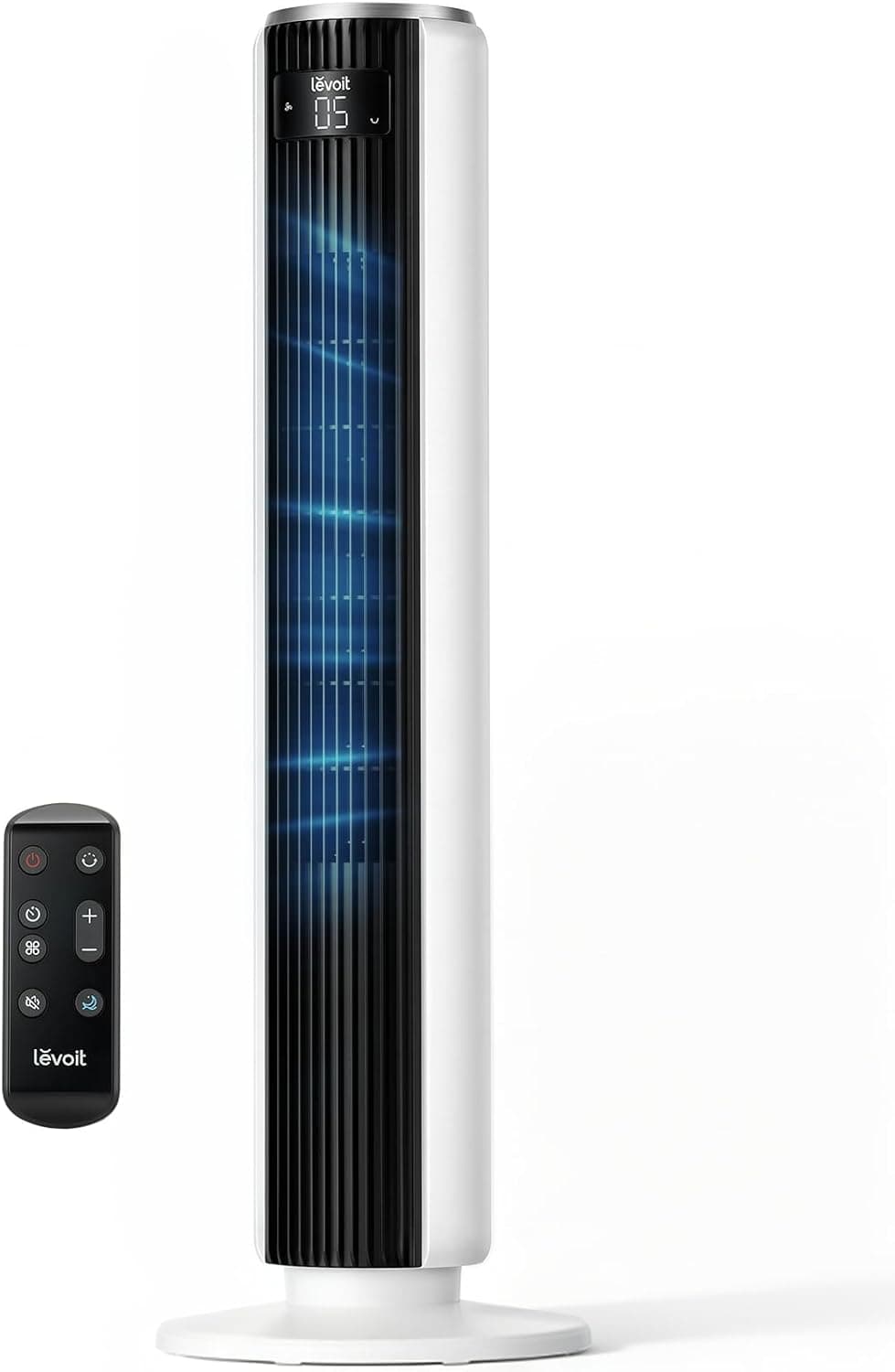
Tower & Personal Fans
Levoit Tower Fan, 28 ft/s, 28 dB, 36 inch, White
On Amazon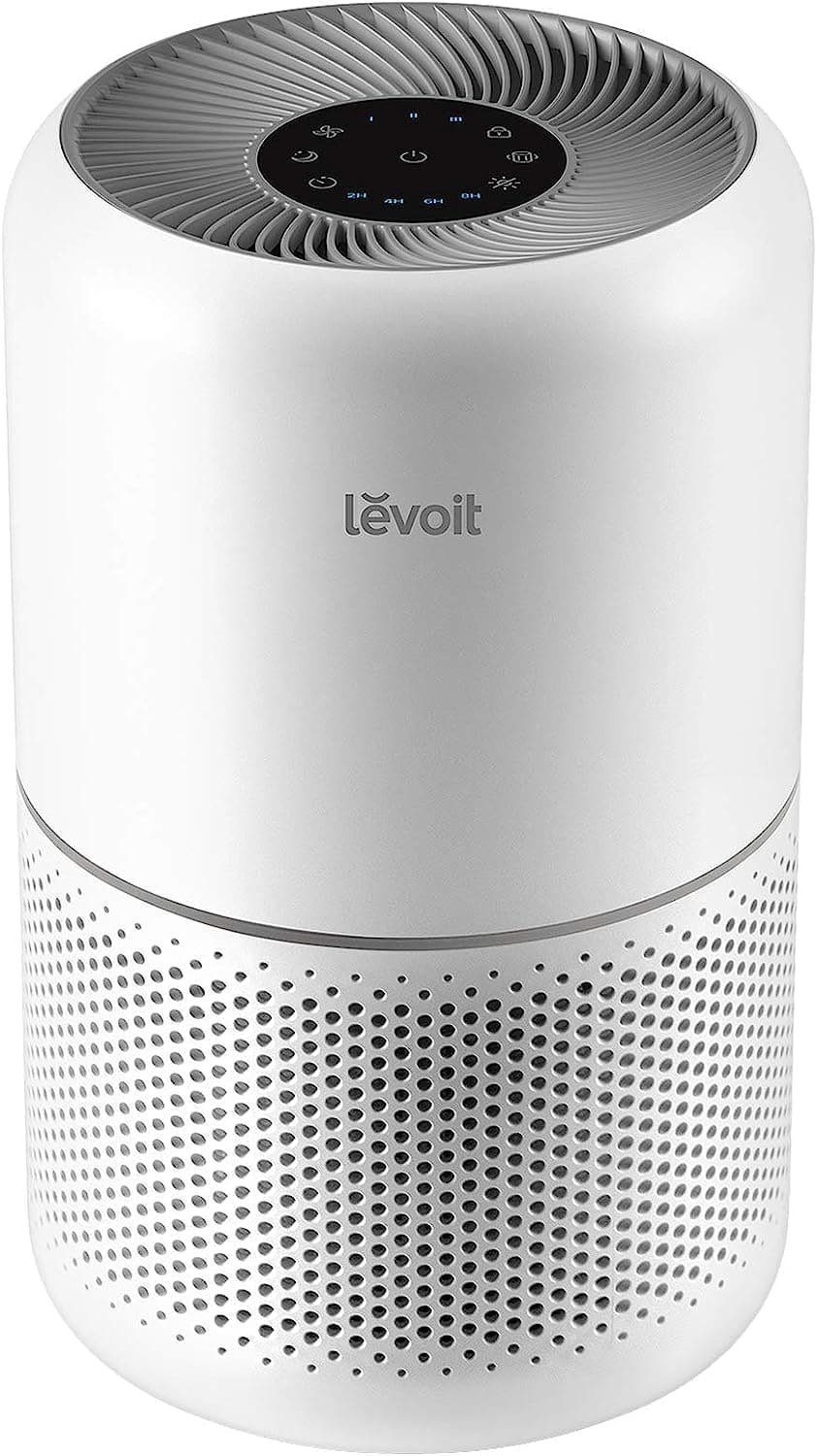
Air Purifiers
Levoit Core 300-P Air Purifier, up to 1073 ft², White
On Amazon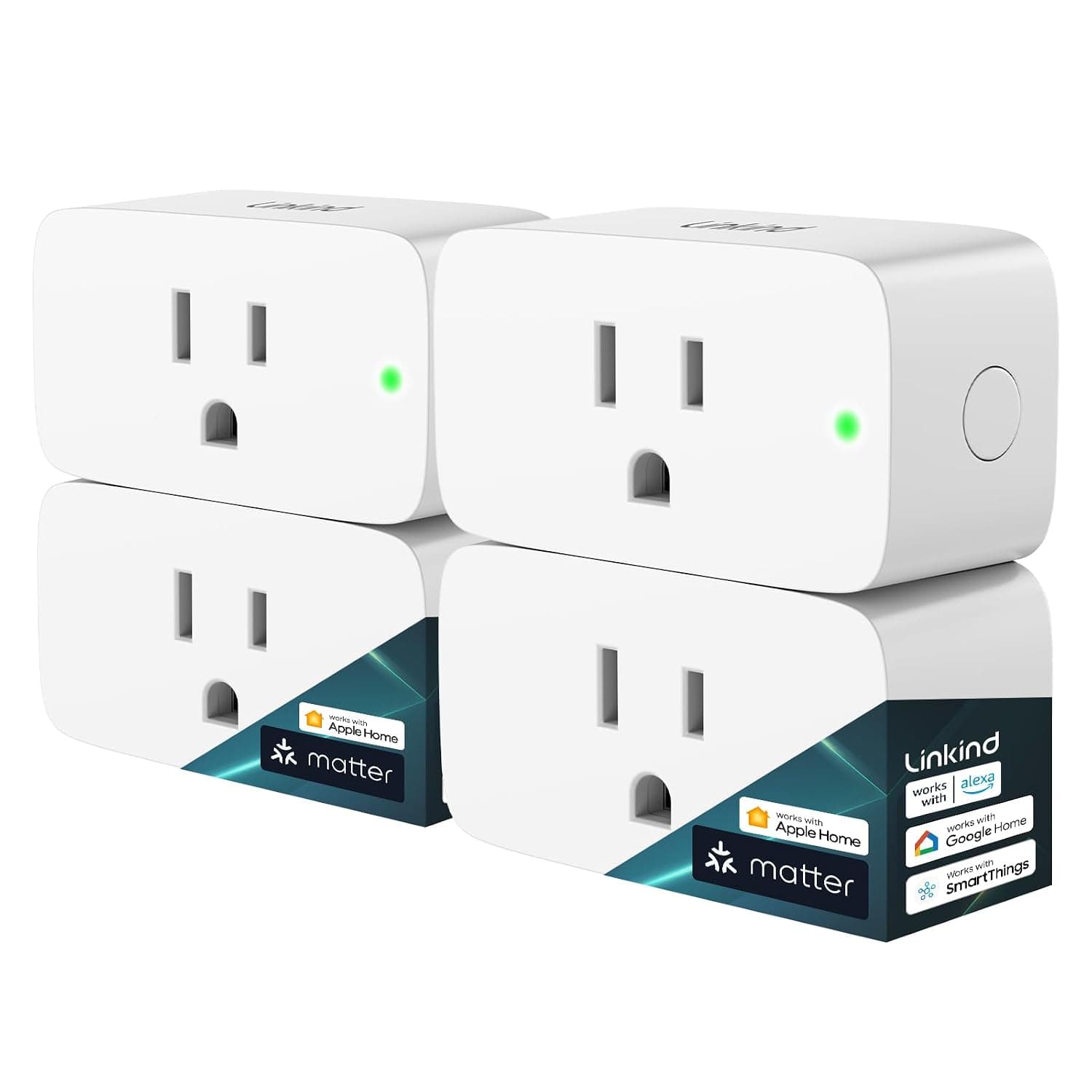
Smart Plugs & Remote Outlets
Linkind Matter Smart Plug, 15A/1800W, 4 Pack
On Amazon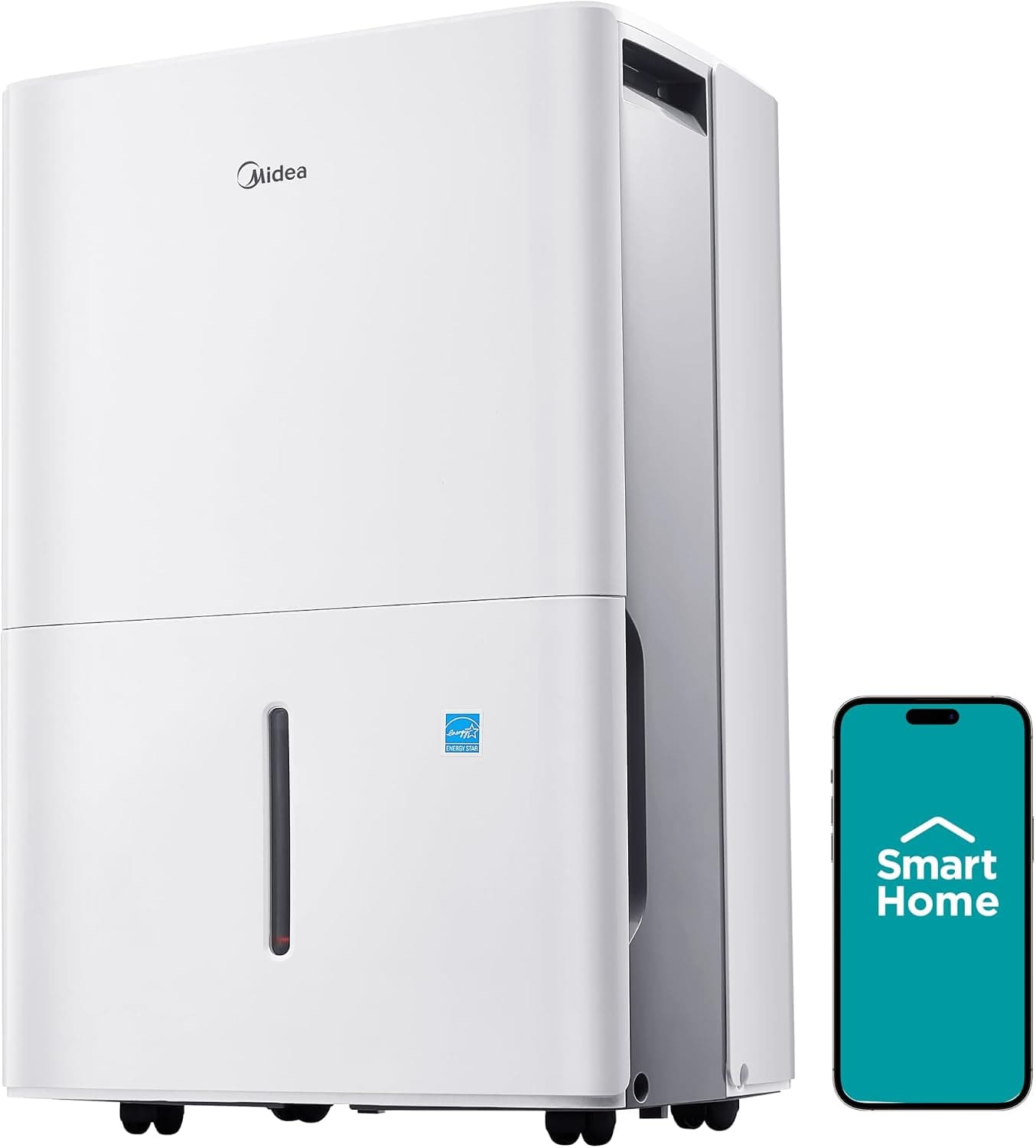
Dehumidifiers
Midea 50 Pint Dehumidifier, 4,500 sq ft
On Amazon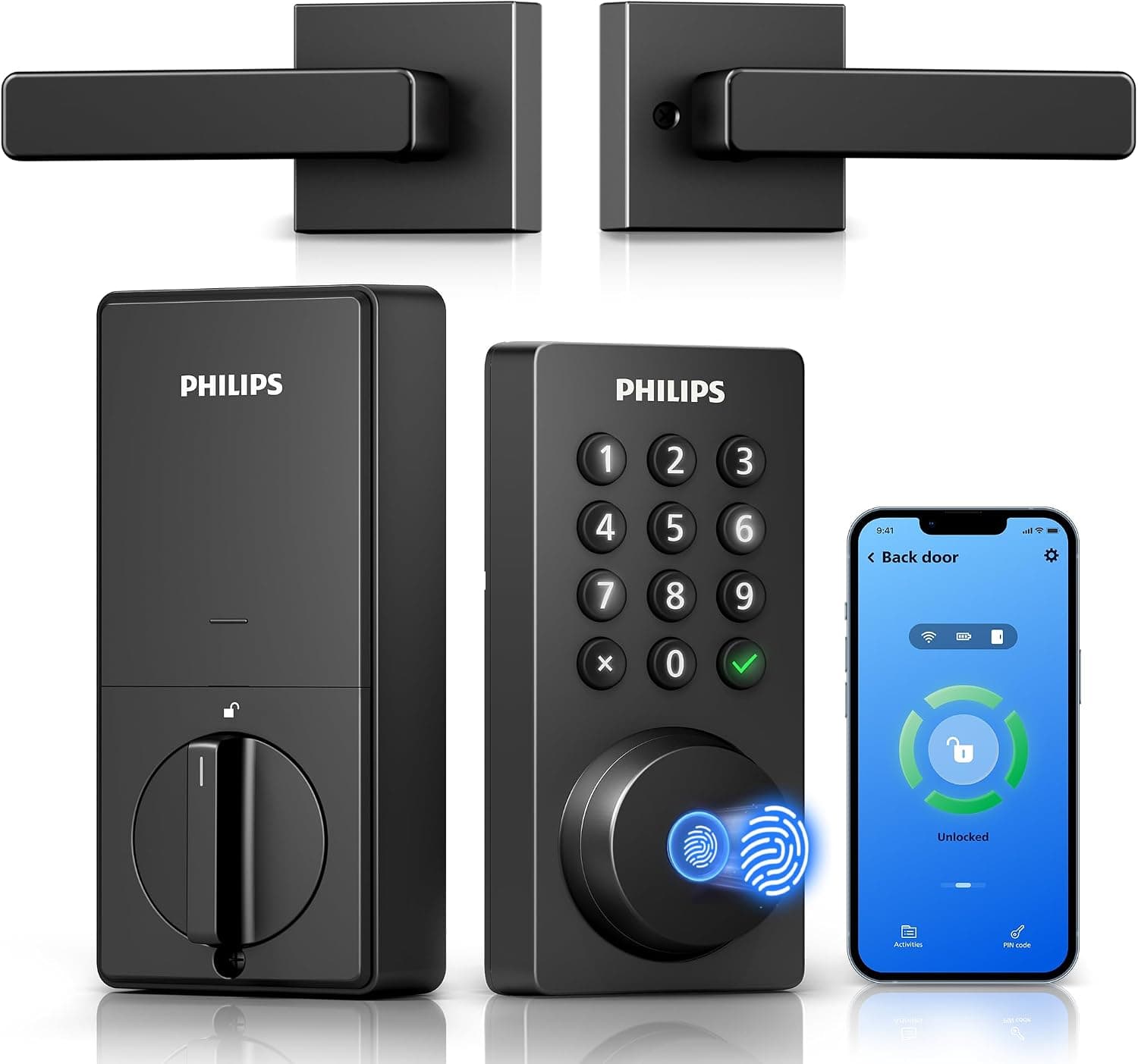
Keypad & Smart Locks
Philips Wi-Fi Keypad Deadbolt with Handle
On Amazon